The best plant milk for coffee: a Bali cafe culture test
The best plant milk for coffee: a Bali cafe culture test
Great beans, wrong milk
You can do everything right: dial in the grind, hit the water temperature, pull a shot with crema that smells like caramel. Then you pour the plant milk and watch it split into curds. The texture turns watery. The cup tastes like a science experiment, and one thing went wrong: the milk.
In Ubud, where the wellness scene keeps plant-based cafes multiplying, this happens every morning. The milk question is not a side detail. It decides whether your flat white tastes like a flat white or like a rescue mission.
We make fresh cashew mylk in a small kitchen here, and we have poured it into a lot of coffee. Here is what we learned, plus the honest part about our own bottle that most brands would leave out.
What coffee does to milk
Coffee is mildly acidic, and it arrives hot. Plant milk is an emulsion: water, fat, protein, and often a stabilizer holding it all together. Acid is the first enemy. When the pH drops, protein strands clump into the flecks you see floating in your cup. Heat makes it worse, because heat unfolds protein faster. A steam wand adds the third stressor, agitation. Acid, heat, and agitation together form the full attack.
The milks that survive coffee are usually engineered for it. Barista-grade oat blends carry extra oils and stabilizers on purpose. That is the trade-off: the gums that hold a latte together are exactly what some sensitive stomachs react to. Many store brands rely on xanthan, gellan, phosphates, and refined seed oils to stay stable.
Worry Nut keeps six ingredients on the bottle, and none of them is a mystery gum.
How the common options behave
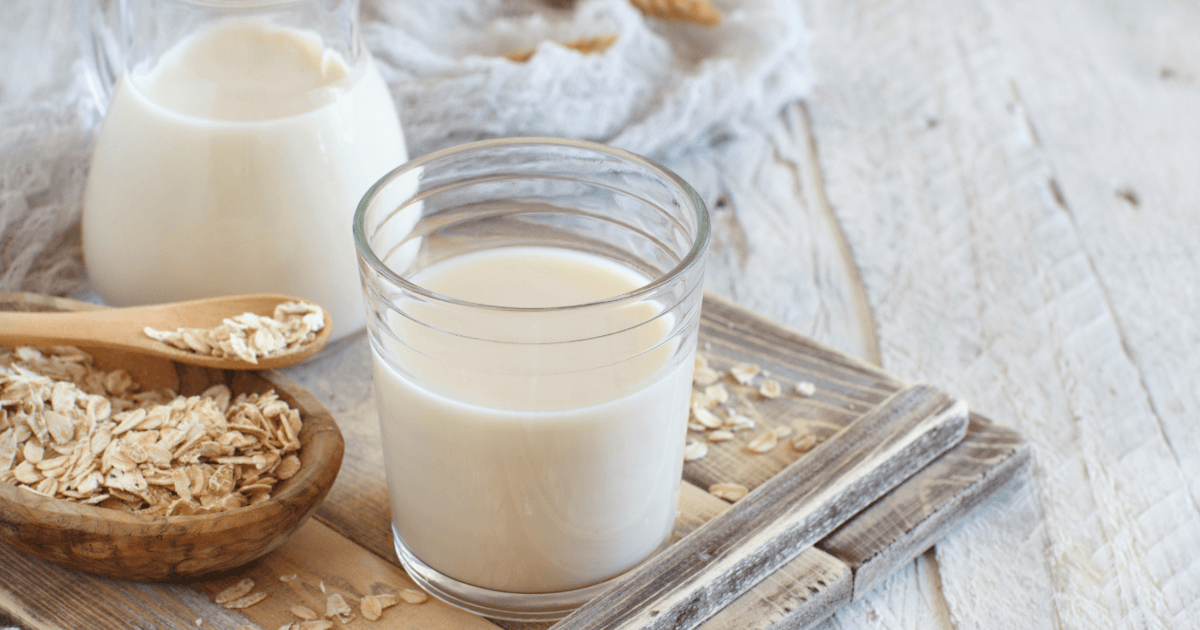
Oat milk is the default, and the default exists for a reason. It is starch based, heat tolerant, and tastes like almost nothing, which makes it easy to hide behind espresso. Barista blends foam well. The catch is what gets added to make that happen: oils, stabilizers, and often sugar. A sweet oat milk pulls every cup toward dessert.
Soy milk is the old standard. Its protein content means it can foam, but without stabilizers it curdles quickly in hot, acidic coffee. Good soy carries a beany note. Cheap soy buries that note under sugar.
Almond milk is thin and watery. It works in filter coffee or as a splash in a long black. Under espresso, it gives up.
Coconut milk separates fast, and its flavor takes over every cup. Some people love that. If you want the beans to show up, coconut is a hard coworker.
Cashew milk is the quiet option. Cashews are naturally creamy, so cashew milk needs no gums or thickeners for body. It sits closer to dairy texture than almond, without the beany edge of soy. In coffee, cashew quietly carries the bean’s flavor. If you want the full oat versus almond versus cashew picture, we broke it down in our oat, almond, and cashew comparison.
Home brewing versus cafe steaming
Cafes decide with the steam wand. A barista needs a milk that foams, holds microfoam, and survives a minute on the bench without splitting, forty times an hour. That demands stabilizers. This is why most cafes stock a barista oat blend and close the question.
Home is a different game. You brew one cup. You control the temperature. If the milk separates a little, you stir and move on. A handheld frother makes enough foam for a decent flat white. At home, taste can beat engineering.
Most coffee drinkers in Bali are home users: people with beans from a local roaster and a grinder on the counter. For you, a milk that separates for a second is not a failure. It is a stir.
The honest note about Worry Nut and arabica
Straight talk: our mylk is not barista grade with arabica yet. Arabica’s acidity pulls a slightly sour note out of the cashew, and we will not pretend otherwise. Robusta is the better partner today: the lower acidity lets the cashew’s natural sweetness through, and the two sit well together. Our barista-grade SKU is on the roadmap. When it ships, we will say so with the same lab data we bring to everything else.
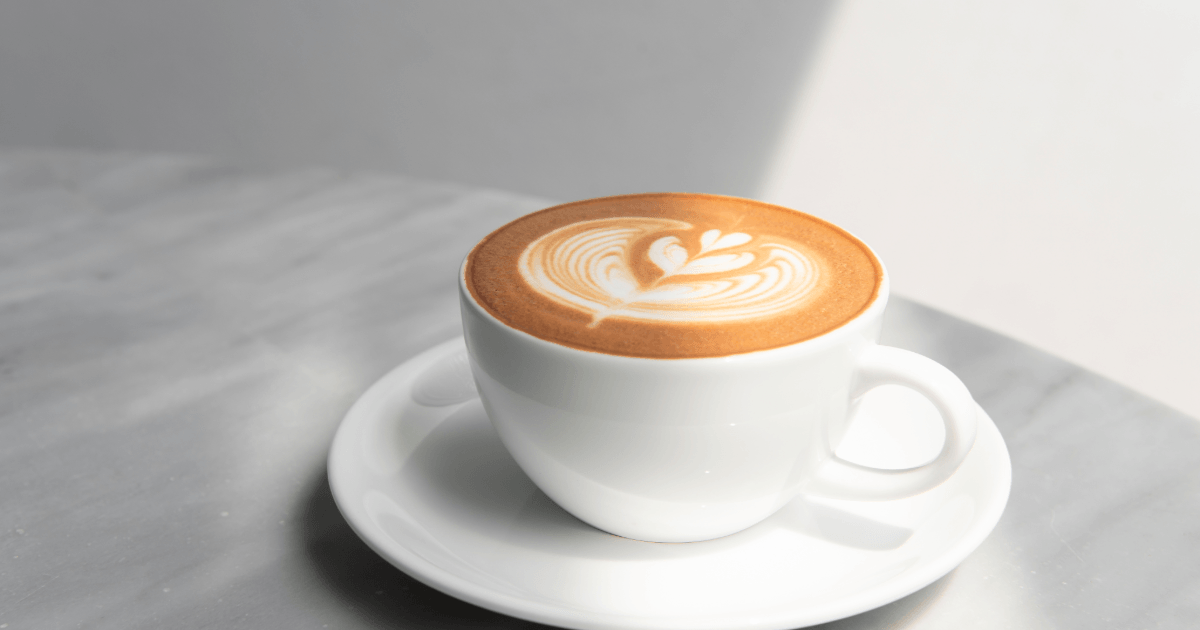
We also will not promise latte art. People ask, and the answer is no, not yet. Rosetta-ready microfoam needs a stability we have not engineered, and we will not pretend we have.
Our bottle does well with robusta flat whites, Bali blends, long blacks with a splash, and cold brew. At 2 g of sugar per 200 ml, the sweetness stays out of the way. That sugar comes from coconut sugar, which has a lower glycemic index than white sugar. It is still sugar, and we print the number on the bottle. A milk that adds more sugar pulls every cup sweet. Ours lets the beans stay the main character.
FAQ
Which plant milk does not curdle in coffee?
None is indestructible. Barista blends hold up best because stabilizers are doing the work. Our fresh cashew mylk holds well with robusta, which is what much of Bali grows and drinks. With arabica, it can turn slightly sour and needs a stir. It will not ruin the cup. We will not oversell it either.
Can you froth cashew milk?
At home, yes: warm the mylk gently, then use a handheld frother, and you get soft foam that sits nicely on a robusta flat white. You will not get the stiff microfoam that barista blends produce from this bottle yet. The barista-grade cashew SKU is the one built for proper steaming.
Why do cafes default to oat milk?
Oat steams reliably, tastes neutral, and avoids the nut allergy conversation entirely, which matters in a public cafe. Barista oats also hold microfoam longer, and the supply chain is stable: barista blends behave the same bottle to bottle, month to month. A fresh milk with 21 days of refrigerated life asks for cold chain and speed. That works for home delivery in Ubud and Canggu. A cafe shelf is a different game.
Does plant milk change the taste of coffee?
Every milk changes the cup to some degree. Almond thins the mouthfeel. Soy adds beany notes. Coconut overrides everything. Sweet oat milks steer the cup toward dessert. Cashew sits at the mild end: creamy body, quiet flavor, low sugar. If you want to taste the bean, cashew interferes the least. For the direct cashew versus oat showdown, see our cashew milk vs oat milk comparison.
What does Worry Nut use in its own kitchen?
We test with robusta and Bali blends, and we usually drink our mylk in cold brew or a long black with a splash. Weekends bring out the handheld frother and a flat white. When the barista SKU ships, that is what we pour for guests.
Where Worry Nut fits
If you live in Ubud or Canggu, fresh delivery is part of the deal. We make Worry Nut in small batches in Ubud from Indonesian cashews, and most of those grow in Sulawesi and Nusa Tenggara. We pasteurize gently instead of blasting the milk at the 138 to 149 C that UHT uses, so the heat-sensitive vitamins that survive the process survive the bottle better. The shelf life is 21 days, with no preservatives. The price is Rp 85,000 for a one liter bottle. Most plant milk sold in Indonesia is imported. Ours starts as a local nut.
The best plant milk for coffee in Bali is the one you reach for every day without ignoring a compromise. For robusta drinkers, ours is that milk today. For arabica purists, the barista-grade cashew is coming, and we will tell you straight when it lands. Until then, pour a robusta, keep it simple, and let the cashew carry the cup.
Order a bottle at https://worrynut.id, or follow @worry.nut on Instagram for the barista SKU news. New to the Bali plant milk scene? This guide to where to buy plant milk in Bali covers the shelves.