Plant Milk Delivery in Indonesia: What Ships Cold and What Does Not

Plant milk delivery in Bali works two ways: a marketplace courier who leaves a warm UHT carton at your door in two days, or a chilled route that hands you a bottle straight from a fridge. Only one of them is built to deliver fresh milk.
Your first online order goes like this. You find a brand, tap buy, and a box arrives two days later with the carton at warehouse temperature. That scene repeats thousands of times a week, and warm is the default for a reason.
Why fresh plant milk is a cold-chain product
Pasteurized milk leaves the bottling line alive in a practical sense. Pasteurization heats milk enough to knock down harmful bacteria, but far less aggressively than UHT. The result keeps its fresh character and its micronutrients, and it needs continuous refrigeration from the moment the bottle is sealed. That is the definition of a cold-chain product: every step from maker to fridge has to stay cold, or the product degrades.
A fresh, pasteurized mylk like Worry Nut keeps a 21 day refrigerated life with no preservatives. That window assumes steady cold throughout. Break the chain for a few hours in tropical heat and the bottle ages faster than any label suggests. Spoilage in Bali is a slope, not a step, and warm transport pulls the curve forward.
UHT takes the opposite route. The liquid is flash heated to 135 to 150 degrees Celsius, hot enough to sterilize it, then sealed into a carton that sits on a shelf for months. That heat carries a cost in protein quality: sugars and proteins react in a Maillard reaction, which ties up lysine and lowers available essential amino acids. A University of Copenhagen study of ten UHT plant drinks from three producers measured that in all ten, plus acrylamide at low levels in four almond and oat drinks. Added vitamins held up better than the dairy studies implied, with vitamin A, D2, riboflavin and B6 surviving heat up to 116 C and thiamin down about 18 percent. UHT trades protein quality for shelf stability. Pasteurization trades shelf stability for freshness. Two different products, two different delivery systems.
Why UHT dominates online marketplaces
Marketplaces are built for cheap, uniform logistics. A UHT carton ships at room temperature in a normal box, stacks in warehouses without chillers, and tolerates a delivery delay of a day or two without complaint. Couriers treat it like canned goods, and the seller never has to build a cold network.
Fresh milk inverts that math. Every leg needs a refrigerator: the kitchen, the van, the hub, the courier bag, the customer’s door. That infrastructure is expensive, so most brands selling online choose the shelf-stable route. Add the import reality: most plant milk sold in Indonesia is imported, and an imported UHT carton has already traveled months in a container, so room temperature shipping is the only model that works at scale. The result is an online shelf crowded with long-life cartons and very few fresh bottles. When fresh options do appear, the buyer has to ask what happens between the cooler and the door.
What to check before ordering fresh plant milk online
Ordering fresh milk online is a different skill from ordering shelf-stable goods. Work through this list before you pay.
Ask what the seller ships, not what the ad shows. A bottle photographed next to ice tells you nothing about the van. Look for the words pasteurized and refrigerated in the product description. If the listing avoids them, assume the product is UHT or that shipping runs at room temperature.
Ask about the cold chain in detail. Does the seller use a chilled courier? Does the box carry insulation or an ice pack? How long does the package spend in transit? The answers reveal whether a seller runs a real cold chain or a warm box with a sticker.
Check the delivery zone, because this is where most people get burned. Fresh milk delivery rarely covers a whole country, and island-wide shipping claims for chilled goods deserve suspicion. A credible fresh brand names its coverage area plainly: this town, that valley, these roads. If the delivery coverage reads like a marketing slogan instead of a map, keep scrolling.
Ask what happens on a warm arrival. A thoughtful seller tells you the spoilage policy before you order: what counts as damaged, how fast to report it, and what the replacement looks like. A seller who claims the product tolerates warm transport is selling UHT in a fresh costume.
How Worry Nut delivers fresh mylk in Bali
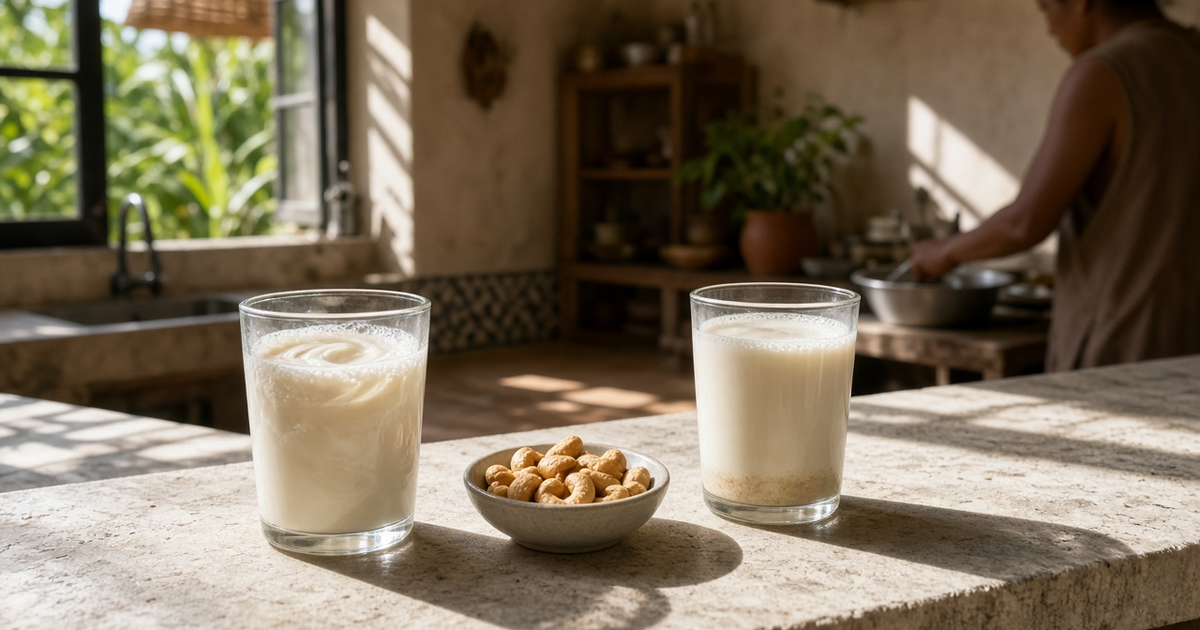
Worry Nut runs a short cold chain on purpose. Our cashew mylk is pasteurized, and pasteurized mylk has to stay cold. We make it in Ubud from Indonesian cashews, sweeten it with natural coconut sugar, and print six plain-English ingredients on the bottle. None of that survives a warm van.
Same-day chilled delivery covers Bali and Jabodetabek. Bottles leave our fridge, travel cold, and arrive cold and ready to drink. Routes stay short inside each area, and that boundary is a feature, not a flaw: short routes keep the chain short. Shipping cost and schedule are confirmed over WhatsApp when you order. Outside those areas, the shops that stock us are listed on our where to buy page.
After arrival, the fridge takes over. Chilled delivery gets the bottle home, and your storage habits keep it alive. The full routine, cold zones and sniff tests included, lives in our tropical storage guide.
FAQ: plant milk delivery in Indonesia
Can you order fresh plant milk online in Indonesia?
Yes, with limits. Fresh, pasteurized plant milk comes from a small number of local brands, most of them in Bali, and delivery zones run narrow: chilled coverage in a town or two, not national shipping. UHT cartons ship everywhere. Fresh bottles ship where the cold chain exists.
Does plant milk need refrigerated shipping?
Pasteurized plant milk does. It carries a short refrigerated life with no preservatives, and warm transport shortens that life quickly. UHT plant milk does not need refrigeration until opened, because the sealed carton is sterile. Check the label: pasteurized means cold, UHT means shelf stable.
Why is most online plant milk UHT?
Because UHT survives room temperature logistics, and most plant milk in Indonesia is imported. Shelf-stable cartons ship cheaply, store cheaply, and tolerate delays. Fresh milk needs chilled vans, chilled hubs, and narrow delivery zones, all of which cost more and cover less ground. Marketplaces optimize for what ships easily, and UHT ships easily.
How fast is chilled delivery in Bali?
Same-day is the standard for fresh brands in Bali. Worry Nut runs same-day chilled delivery, so bottles leave the fridge, travel cold, and arrive ready to pour. The order form tells you what your own address can get.
What happens if fresh milk arrives warm?
It means the cold chain broke, and the bottle lost part of its shelf life. Pasteurized milk with no preservatives ages faster at warm temperatures, so a warm bottle should not go straight into your glass. Report it to the seller with a photo, and if you do taste it, trust the sniff test: sour means sour. The policy question belongs before the order, which is why it sits on the checklist above.
The Worry Nut delivery promise
Every delivery model is a trade. UHT gives you a carton that waits months in a warehouse and pays for it in protein quality. Fresh gives you milk made nearby, with a short life that has to reach you cold. And a short life delivered cold beats a long life delivered lukewarm, for the same reason you pick ripe fruit over canned: one of them still tastes like the thing it came from.
Cashews help here. They are naturally creamy, which is why cashew mylk needs no gums for body, and why our ingredient list stays at six lines instead of a stabilizer parade. The full case for cashew sits in our cashew milk explainer.
That is the whole method: know pasteurized from UHT, ask about the van, check the delivery zone, and never order fresh milk from a seller who ships warm. Run that checklist and your first plant milk delivery in Indonesia ends with a cold bottle, not a warm disappointment.
Order Worry Nut fresh cashew mylk at https://worrynut.id, and follow @worry.nut on Instagram to see what we are pouring this week.