What Is Actually in Your Plant Milk? A Label Reading Guide

Most plant milks are mostly water, with a short nut list and a longer helper list. The helpers are gums, oils, and a vague phrase called natural flavors. If your stomach is sensitive, the helper list is the part that decides whether the bottle helps you or keeps the bloat on schedule.
A clean plant milk has six or fewer ingredients, each one you could buy on its own. A dirty one has ten to fifteen lines, and half of them you cannot cook with tonight. You can tell the difference in under a minute once you know what to look for.
Why the list got long
Money, not malice, drives most of the line count. Nuts cost a lot. Water costs almost nothing. So factories use a small share of nuts and make up the rest with thickeners, oils, and gums.
Xanthan gum and gellan gum are the most common thickeners. They add body, keep particles from sinking, and hold the texture steady through shipping.
Logistics push the same way. An imported carton can sit in a hot truck for weeks. Stabilizers and acidity managers get added so the drink still looks right when it reaches your shelf.
Some people with sensitive stomachs react badly to gums. Gut health threads on r/FODMAPs repeat the story: someone cuts xanthan gum, and daily bloating goes quiet. Formal research trails those reports by years. Your gut is a sample of one, and how you feel beats any average.
A typical label, line by line
Picture a mid-shelf almond milk with soft green branding. Flip the bottle. The list reads: filtered water, almonds, cane sugar, sunflower oil, tricalcium phosphate, xanthan gum, gellan gum, dipotassium phosphate, natural flavors.
Filtered water leads. That is normal, because plant milk is mostly water by design. Almonds sit second, at a share small enough to embarrass the picture on the front. Sugar sits third, high enough to matter before the flavor name on the lid sells you.
Sunflower oil adds richness the thin almond base cannot. Tricalcium phosphate adds calcium and stops clumping. Xanthan gum thickens. Gellan gum keeps particles suspended.
Dipotassium phosphate controls acidity so the drink does not curdle in your coffee. Every middle line solves the factory’s problem or the shipping route’s problem. None of them solve yours.
Natural flavors closes the list. The phrase is legal and vague by design: it can cover any blend the maker chose, and the label never has to name it. A brand using real vanilla writes vanilla extract. A brand protecting a recipe writes natural flavors.
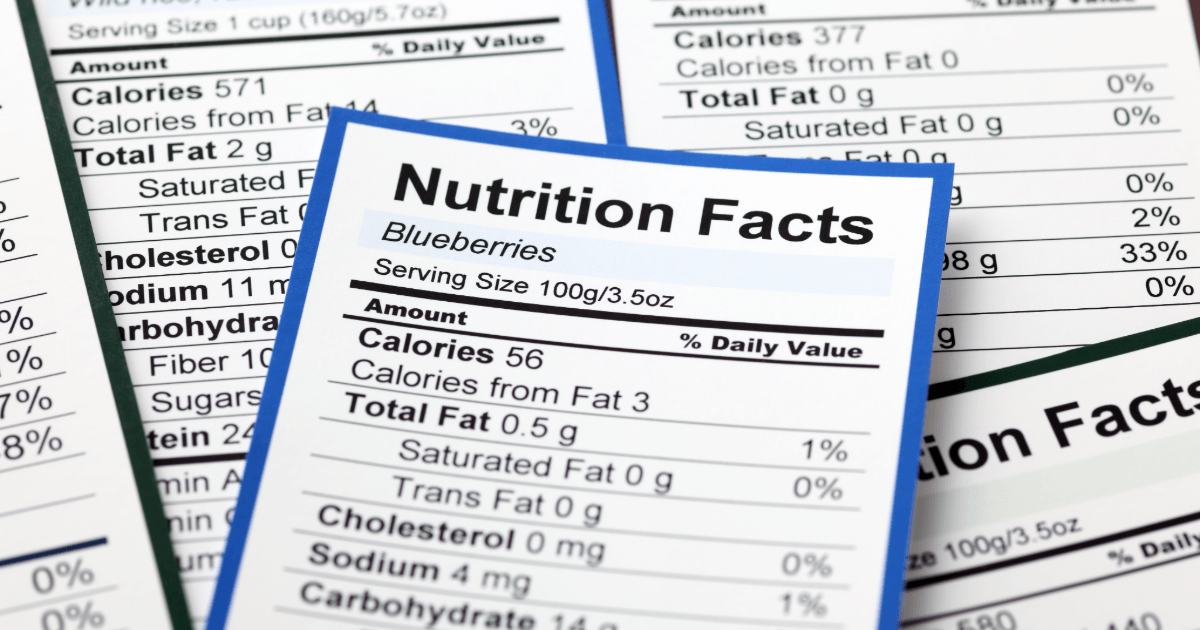
One more check while the bottle is in your hand. Look at the serving size on the nutrition panel. Many panels list values per 100 ml. A full glass pours twice that, so the sugar and calories double without a word changing on the carton.
Three checks for any bottle
Count the lines. More lines mean more chances to hide something. Six or fewer is a good sign. Fifteen is not.
Run the kitchen test. Could you buy each ingredient on its own and cook with it tonight? Water, almonds, and salt pass. Anything you cannot say out loud fails.
Read the top three. Labels list by weight. The first three lines describe what the bottle mostly is. If oil or sugar sits up there, you know what you brought home.
What clean looks like
Cashews arrive naturally creamy. A cashew milk builds body from the nut itself, so gums have nothing to fake. Almonds and oats are thinner and usually need help.
One helper still earns a spot. Oil and water separate on their own, so a small amount of emulsifier keeps the drink smooth. Sunflower lecithin does that work, plant based and gentle. A named emulsifier like this is fine, but a stack of anonymous gums signals too thin a base.
A worked example
Worry Nut fresh cashew mylk lists six ingredients: filtered water, premium cashew, natural coconut sugar, Kusamba sea salt, cold pressed sunflower lecithin, and real vanilla extract. Every line passes the kitchen test. The list is short on purpose, because each word has to defend itself.
What to do this week
Switch to a gum-free bottle for two weeks. Keep lazy notes on bloat, energy, and mornings. Treat the result as information about your body, not a verdict on the whole food industry.
One firm rule: sudden or severe reactions belong with a doctor. Food sensitivity and food allergy are different things. Allergy needs professional care, not a home experiment.
For the full tour through every additive, from carrageenan to barista oils, read our plant milk ingredients, explained guide.
Flip the next bottle before it reaches the basket. Count the lines. Let the short honest lists win your shelf space. Six ingredients you can picture ask little of you, and your stomach keeps the receipts.
Worry Nut fresh cashew mylk is pasteurized, refrigerated, and made in Ubud from local cashews sweetened with coconut sugar. Browse or order at https://worrynut.id.