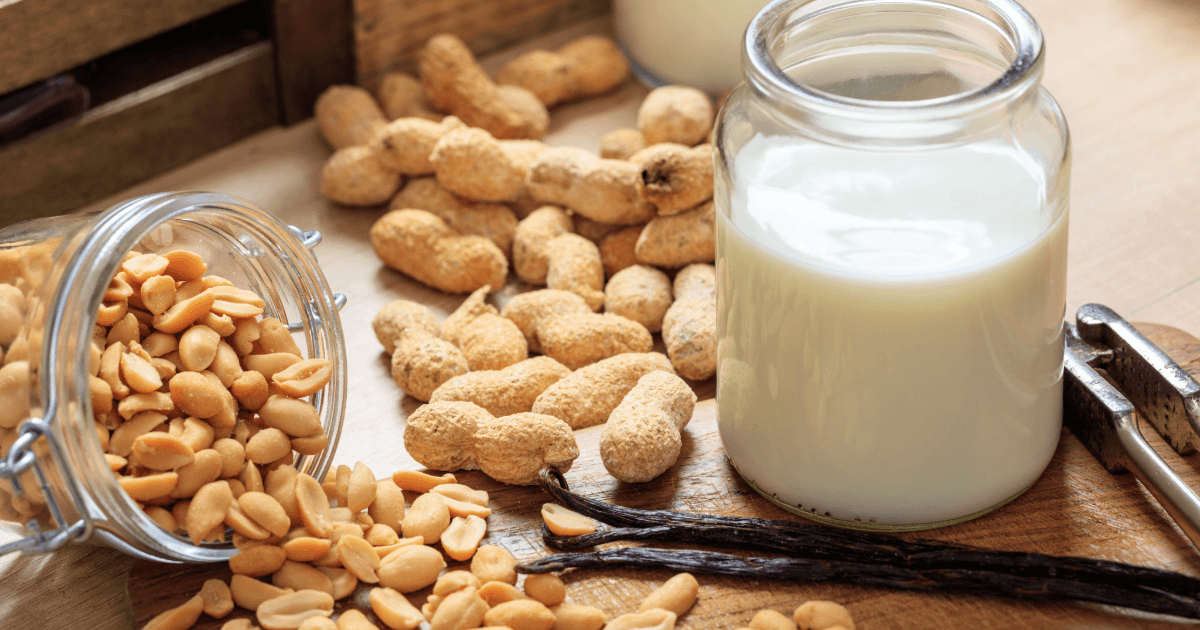
Why Plant Milk Spoils Fast in Bali: A Tropical Storage Guide
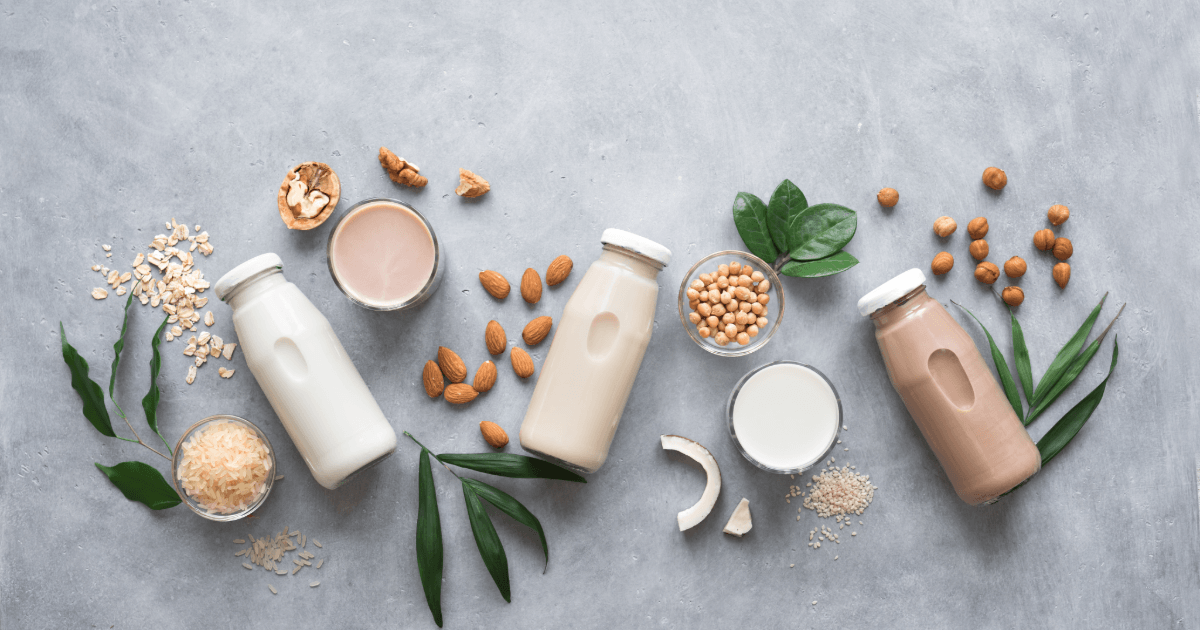
Why Plant Milk Spoils Fast in Bali: A Tropical Storage Guide
You pour the last of yesterday’s carton over cereal, lift the glass, and get a sour note that stops the spoon halfway to your mouth. The date on the side says it should still be fine. The fridge says otherwise. Every expat who lands in Bali runs into this within the first month, and most of them shrug it off as bad luck with a bad brand. It is not bad luck. It is thermodynamics, and it is completely predictable once you understand what kind of milk you are holding.
Plant milk storage in tropical heat follows rules most brands never explain on the package. This guide covers why Bali attacks an open carton, the real difference between fresh and UHT milk, and the storage habits that keep every drop drinkable. None of this needs a food science degree. It needs a fridge strategy and an honest nose.
Why Bali heat speeds up spoilage
Milk, any milk, is food for microbes as much as it is food for you. Plant milk carries proteins, sugars, and moisture, which is a complete menu for the bacteria and yeast that live everywhere, including inside your fridge. Heat is the accelerator. Microbial growth roughly doubles with every rise of about ten degrees, which is why the same carton behaves differently in a Rotterdam kitchen and a Seminyak one.
Bali sits ten degrees south of the equator and runs a daily temperature range of roughly 26 to 31 degrees Celsius year round. That warmth reaches inside your kitchen, your pantry, and even the door of your fridge. The door shelf reads warmer than the back shelf in any climate, and in a tropical climate the difference grows. A bottle that spends its life in the fridge door, opened twice daily, gets a slow cooking effect no brand engineered for.
The other factor is how long milk sits between shops. Most plant milk sold in Indonesia arrives from overseas, which means weeks in a container, weeks in a warehouse, and weeks on a retail shelf before it ever reaches your kitchen. The clock on that bottle started long before you paid for it. Fresh, locally made milk is the exception, and it changes the math in ways the next section explains.
Fresh vs UHT: two different survival strategies
Walk the chiller aisle in any Bali supermarket and you will find two families of plant milk pretending to be one product. The first is UHT, which stands for ultra-high temperature processing. The liquid is flash heated to 138 to 149 degrees Celsius, hot enough to kill essentially everything inside, then sealed into a sterile carton that can sit on a warehouse pallet for months without refrigeration. That is why the shelf-stable aisle exists. Open the carton, though, and the protection ends. The sterile seal is gone, the living air is in, and the microbes that land on the spout are back in business at tropical speed. An opened UHT carton in Bali can turn within days, and the dates on the package rarely say so.
The second family is fresh pasteurized milk. Pasteurization heats the milk far more gently, enough to knock down dangerous load while leaving the product alive in a looser sense. Nothing on the label says it this bluntly, but fresh milk is perishable by design. That is the trade it makes for keeping its vitamins and character intact. The heat that sterilizes UHT milk also taxes it: research published in the Journal of Dairy Science measured roughly 32 percent vitamin C loss, 18 percent B12 loss, and 12 percent folic acid loss at processing, with further losses accumulating during months of room temperature storage. Fresh pasteurization avoids that toll, and what survives is delivered to you in days instead of months.
Our own bottle lives firmly in the fresh camp. Worry Nut fresh cashew mylk keeps a 21 day window refrigerated, with no preservatives, and we print that honesty on the bottle: freshness tails off around day 28, and a noticeable fermentation flavor shows up around day 34. Most of our customers finish a liter well inside that window. The ones who stretch it learn to trust the sniff test below.
Storage rules that work
Bali’s heat demands more discipline than a temperate fridge ever did. These rules cost nothing and save most of what gets poured down the sink.
The fridge cold zone comes first. The coldest part of a refrigerator sits at the back of the middle or lower shelves, and the warmest spots are the door and the top shelf. Plant milk belongs in the back, not the door. Every time you grab the door bottle, you pull it through a micro-thaw cycle that costs shelf life. Treat the door like a staging area for condiments, not for milk.
Seal it properly. A bottle left with the cap loose lets fridge air in, and fridge air carries fridge smells and fridge molds. The cap is not decoration. Screw it down after every pour, and wipe the spout before you seal, because dried milk on the rim is a surface area bacteria love and a flavor souvenir you do not want.
Buy cold and keep it cold. This is the rule nobody mentions, and it matters most in the tropics. Milk that sits in a hot car for an hour on the drive home loses more than minutes of its life, it loses a chunk of its 21 day guarantee. Chilled delivery changes the whole picture. We run next day chilled delivery across the Ubud and Canggu area, so bottles travel cold from our fridge to yours and arrive ready to drink, not half-shocked by a scooter ride in the sun. The same logic applies to any milk you buy yourself: bag it, ice it, and get it home before you run other errands.
Shake before pouring. Fresh milk separates between uses, which is normal and healthy. A layer of cream on top is not spoilage, it is physics. What matters is the smell underneath, and you will not find out if you pour from the top without shaking.
Reading freshness dates honestly
Most people treat the date on the bottle as a switch: fine before, ruined after. Real spoilage is a slope, not a step. Our lab tested the curve on our own milk. It is at its best through day 21, starts losing that bright fresh character around day 28, and develops a clear fermentation note around day 34. Pasteurized milk does not wait politely for the printed date, and warmer storage pulls the whole curve forward.
The honest system is the two-second check: pour, sniff, commit. Your nose is more sensitive to spoilage compounds than any label. If it smells sour, it is sour, regardless of the date. If it smells fine, it is fine, even a day past the line, because the date is a buffer, not a judgment. When in doubt, pour a small glass and taste it before you commit the cereal. Trusting the date over your senses is how most sour mornings happen.
One warning before the tips get overcomplicated: do not freeze your milk out of anxiety. Plant milk survives a freezer trip, but thawing splits the emulsion, and the texture never fully recovers, no matter how hard you shake. We find it works best for smoothies or cooking, where texture is less important. Fresh milk is a weekly habit, not a bulk hoard. Buy what you will drink and keep it moving.
FAQ: plant milk storage in Bali
Does plant milk go bad faster in Bali? Yes, noticeably. Warm ambient temperatures raise the base spoilage rate of any plant milk, and tropical fridges run warmer than temperate ones, especially near the door. The same bottle that lasts a week in a Dutch kitchen can turn in three days here. Treat the fridge as the entire strategy, cold zone included.
How long does fresh plant milk last? Worry Nut keeps 21 days refrigerated with no preservatives, with freshness fading around day 28 and a fermentation taste arriving around day 34. That window assumes steady cold and a properly sealed bottle. An hour in a hot car can shorten it meaningfully.
Why does UHT last so long unopened? Ultra-high temperature processing heats milk to 138 to 149 degrees Celsius, sterilizing the liquid before it is sealed into a sterile carton. Nothing can grow inside until you open it. Once opened, it becomes as perishable as fresh milk, often faster in tropical conditions. The long unopened life is a packaging achievement, not a sign the milk is special.
Can you freeze plant milk? Technically yes, and practically it depends on your plans. Freezing and thawing splits the emulsion, leaving a separated texture that shaking improves but does not restore. Frozen milk still works in smoothies and cooking. Skipping the freeze and buying weekly is the smoother path.
How do you know it turned? Smell first, taste second. Sour, fermented, or tangy notes mean it is done. Visible lumpiness or an off color confirms it. Your senses get there before the printed date does, and they are more reliable than it in the tropics.
Where Worry Nut fits: fresh by design
We built Worry Nut fresh cashew mylk around the freshness argument on purpose. Six ingredients, no preservatives, and a 21 day refrigerated life that we print and stand behind. The trade is an honest one: you manage a weekly rhythm instead of a monthly stockpile, and you get milk that was pressed nearby from local cashews instead of imported and warehoused for months. You can read the full reasoning in our guide to clean plant milk ingredients, and the delivery details in our chilled delivery story, or compare our label philosophy with the cartons in what is in your plant milk. None of that matters if the bottle goes sour in your fridge, which is why the storage rules above come first.
Bali spoils milk, and it spoils it fast. Once you accept that, the fix is simple: cold zone storage, sealed bottles, chilled transport, and a sniff test before every pour. Fresh milk gives you a 21 day window and a better nutrient story than UHT. It asks for a fridge routine in return, and on a tropical island, that routine is the whole game.
Order Worry Nut fresh cashew mylk at https://worrynut.id, or follow the brand at Instagram @worry.nut. Your next pour should taste like cashews, not like a science experiment.